

NASA

@NASA
Official NASA account. Exploring the universe, advancing science, and inspiring the next generation of explorers.
Posts

Welcome aboard! 🙌 After nearly eight hours in flight, Crew-13 arrived at the @Space_Station, where they will spend the next several months conducting experiments on science and tech to benefit life on Earth and in space. [ 网页链接 ↗ ]

Social media video downloader
Download from X/Twitter, TikTok, YouTube, Instagram, and Douyin with fast processing and clean output.
We're lucky enough to experience the eclipse again, as we reach totality in León, Spain. [ 网页链接 ↗ ]

Coming soon: one of history’s most complex missions Tune in on Tuesday, June 9, at 11am ET, to meet the astronauts flying aboard Artemis III, the mission that will test docking capabilities with commercial landers in low Earth orbit — an important step to crewed lunar landings. [ 网页链接 ↗ ]


On Nov. 28, our Orion spacecraft captured the Earth rising behind the Moon. The #Artemis I flight test happened around 50 years after the iconic Apollo 17 "Blue Marble" photo of Earth was taken. See the similarities and differences between the two eras: [ 网页链接 ↗ ] [ 网页链接 ↗ ]

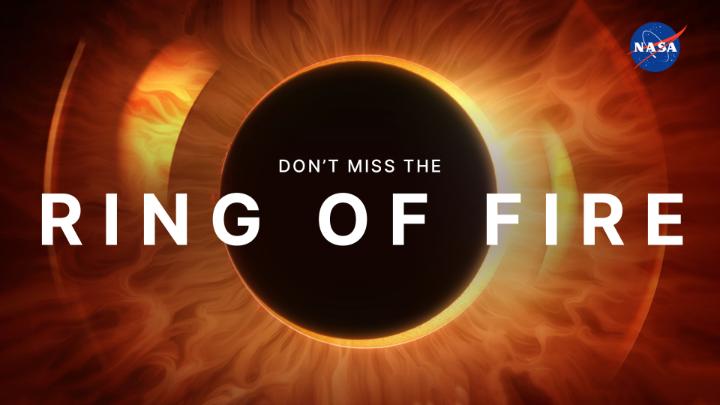
Save the date for a solar eclipse: On Oct. 14, a "ring of fire," or annular, eclipse will travel from the U.S. Oregon coast to the Gulf of Mexico. Wherever you are, you can watch it live with us: [ 网页链接 ↗ ] [ 网页链接 ↗ ]
We are going! With Artemis II's launch, we've taken another step toward a long-term presence on the Moon. Here's a recap of the historic mission so far – and a preview of what's to come. Follow along as four astronauts continue their journey around the Moon and back: [ 网页链接 ↗ ]

@AstroVicGlover @Astro_Christina "Victor, Christina, Jeremy, just... thank you. This was an unbelievable adventure and it was made possible by this crew and the support of each other throughout the whole thing." - @Astro_Reid, commander of Artemis II. [ 网页链接 ↗ ]

Artemis II Moon mission complete! ✅✅✅✅✅✅ - Space Launch System rocket launched crew into space - Orion spacecraft kept astronauts safe - Flew around the Moon, observed its far side - New human spaceflight distance record - Crew safely returned to Earth - Inspired the WORLD [ 网页链接 ↗ ]

Moon joy [noun] the feeling of intense happiness and excitement that only comes from a mission to the Moon The Artemis II crew bring us endless Moon joy. [ 网页链接 ↗ ]
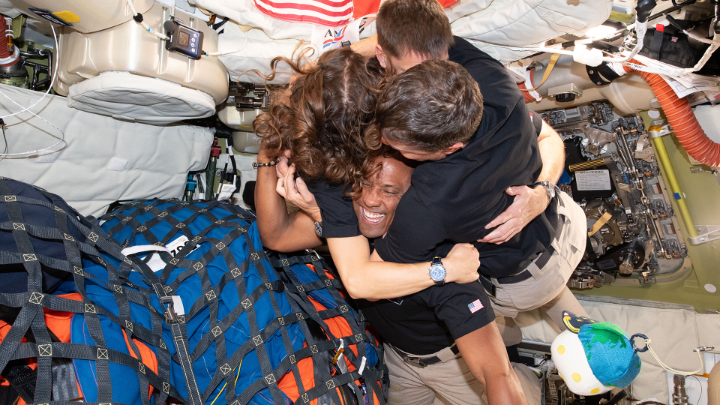
Let's run that back. One more time... Or two? Our crew is now safely back on Earth. Relive the historic mission, and keep an eye on our website as more images and videos keep rolling in. [ 网页链接 ↗ ] [ 网页链接 ↗ ]

Big smiles from Christina and Victor on the deck of the USS John P. Murtha, as they waited to be escorted for their routine post-mission medical checks. [ 网页链接 ↗ ]

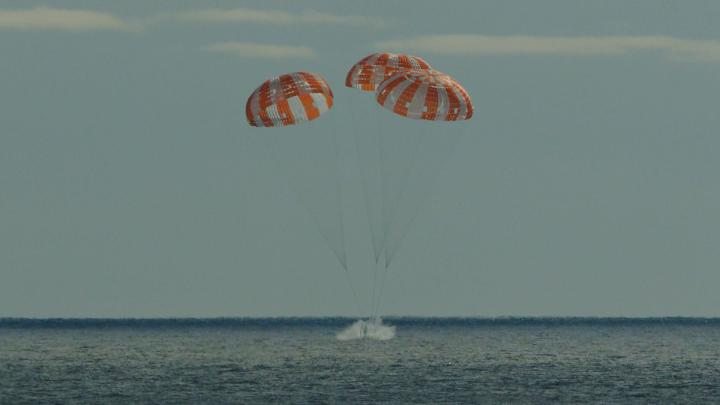
Orion's main parachute has deployed. The spacecraft has a system of 11 chutes that will slow it down from around 300 mph to 20 mph for splashdown. Get more updates on the Artemis II blog: [ 网页链接 ↗ ] [ 网页链接 ↗ ]

All four of the Artemis II astronauts have been successfully extracted from the Orion spacecraft following splashdown and are now on the USS John P. Murtha. Next up, they will be escorted to the medical bay where they will undergo post-mission medical evaluations. [ 网页链接 ↗ ]

Welcome home Reid, Victor, Christina, and Jeremy! 🫶 The Artemis II astronauts have splashed down at 8:07pm ET (0007 UTC April 11), bringing their historic 10-day mission around the Moon to an end. [ 网页链接 ↗ ]

Artemis II astronauts have traveled 252,756 miles from Earth, flown around the Moon, and observed the lunar surface like never before. Now, they’re coming home. 🌎 Watch the crew splash down on Friday, April 10, around 8:07pm ET (0007 UTC April 11). [ 网页链接 ↗ ] [ 网页链接 ↗ ]
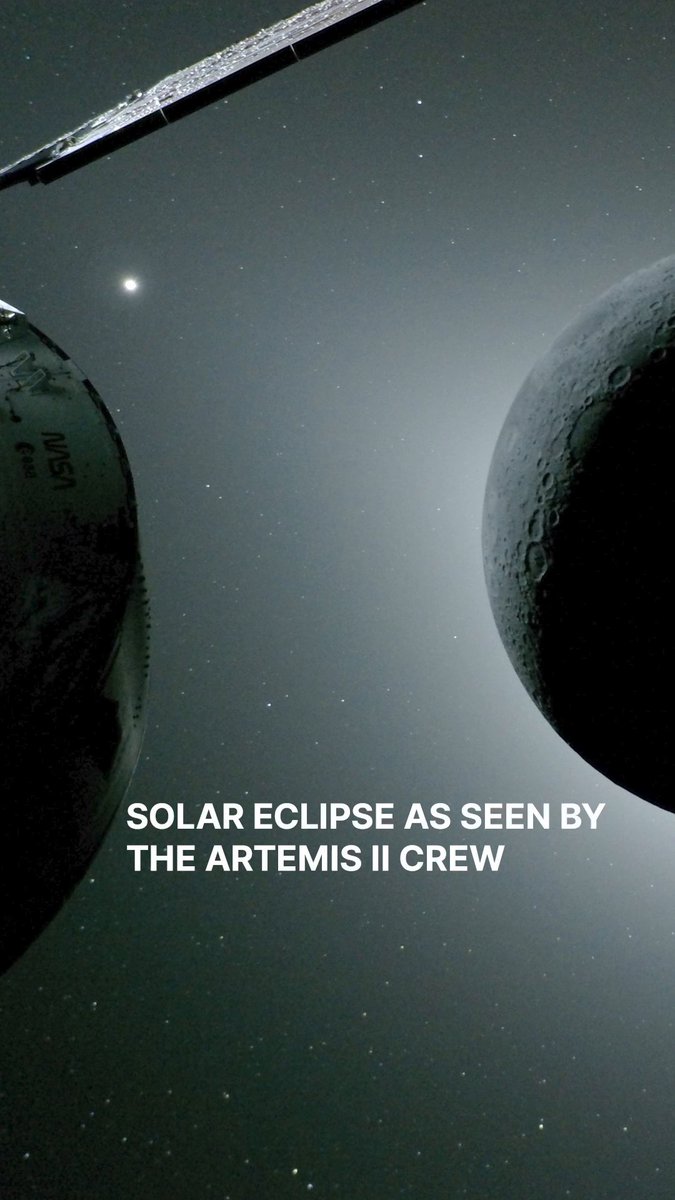
The Artemis II crew had the rare chance to see a solar eclipse from space. 🚀🌘☀️ This video stitches together views from Orion's solar array wing cameras throughout the eclipse, showing the Sun as it disappears behind the Moon, revealing a glowing halo around the lunar disk. [ 网页链接 ↗ ]
“You can see the surface of the Moon…we just went sci-fi.” On flight day seven, images from our @NASAArtemis II crew amazed, turning science fiction to reality. From the lunar far side to a solar eclipse from the Moon, the views are EVERYTHING. No pressure to pick a favorite. [ 网页链接 ↗ ]
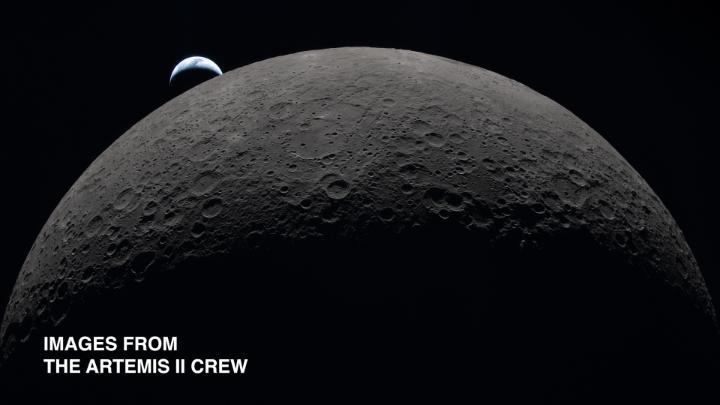
It's not just a phase 🌕 Artemis II astronauts captured these views of the Moon as the Orion spacecraft flew around the far side of the Moon on April 6, 2026. [ 网页链接 ↗ ]

🌞🌕🧑🚀 Right now, the Orion capsule is passing behind the Moon, so the Sun is entirely eclipsed from their perspective. During this time, they will view a mostly darkened Moon and will use the opportunity to analyze the solar corona. [ 网页链接 ↗ ]

Earthsets and eclipses 😍 We're unveiling more of the incredible images captured by our Artemis II astronauts. Follow our 24/7 coverage for the latest updates: [ 网页链接 ↗ ] [ 网页链接 ↗ ]
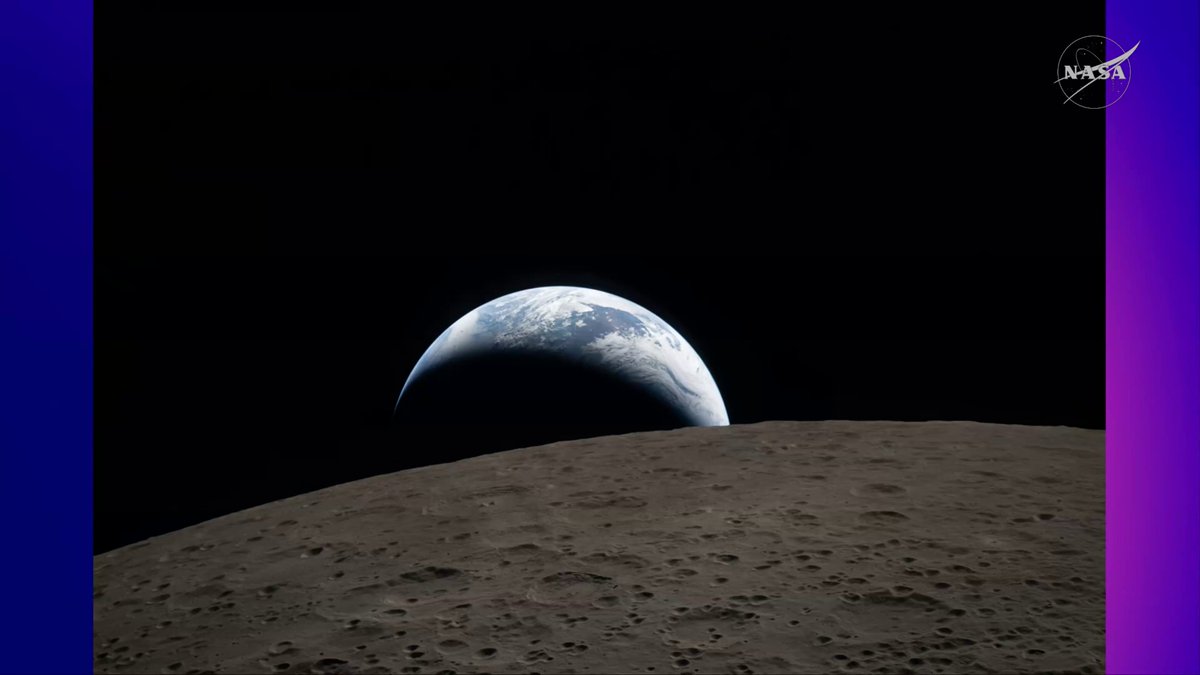
A new milestone for humankind: The crew of Artemis II are now the farthest any human has ever travelled, reaching a maximum distance of 252,752 miles from Earth. This surpasses the previous record set by Apollo 13 in 1970 by about 4,102 miles. [ 网页链接 ↗ ]
